

鸣鹤古镇位于慈溪市东南部,是鸣鹤——上林湖省级风景名胜区主要景区之一。 建于唐开元年间,迄今已有1200多年历史,因虞世南之孙虞九皋而得名。 “虞九皋,字鸣鹤,第进士不久而殁于京,乡人哀之,称其故里为鸣鹤。” 古镇规划面积50公顷,主要由鸣鹤古镇、五磊山风景区、杜白二湖组成,历来以山奇水秀,古迹众多著称,素有”鹤皋风景赛姑苏”的美誉。 现古镇的核心区主要由崇敬堂、银号、小五房等为核心的建筑群和东大桥至沙滩桥街河两侧50米左右范围内的传统民居组成。
Minghe Ancient Town is a popular destination in the provincial-level Shanglin Lake Scenic Zone, situated southeast of Cixi City. Built during the Kaiyuan Period of the Tang Dynasty, it has a history of more than 1,200 years and was named after Yu Jiugao, the grandson of Yu Shinan(a Chinese calligrapher). “Yu Jiugao, courtesy name Minghe, passed the imperial examination shortly before his death in the capital. His fellow villagers mourned him and renamed their hometown Minghe in his honor.” The ancient town, with a planned area of 50 hectares, consists of Minghe Ancient Town, Wulei Mountain Scenic Area, Du Lake, and Baiyang Lake. It is renowned for its stunning landscapes, numerous historical sites, and picturesque waters, earning it the title of “Hegao outshines Gusu in terms of landscapes.” The core area of the ancient town is primarily composed of architectural complexes centered around Chongjing Hall, Silver Mansion (Shen’s Residence), and Little 5-room Traditional Mansion , as well as traditional residences on either side of the river between Dongda Bridge and Shatan Bridge, covering a range of approximately 50 meters.

早在唐五代时期,鸣鹤古镇以靠近越窑中心上林湖的港口优势,成为中国最大的青瓷贸易中心和“海上陶瓷之路”的始发港。 昔日产出的精美陶瓷不但上贡皇室,内销各地,而且远销20多个国家和地区,在中国的外贸史上留下光辉的一页。
慈溪靠海盛产海盐,唐代时已具有相当规模,宋元时期鸣鹤成为两浙地区最大的盐场,宋代时产盐占全省产盐32%,北宋咸丰年间,设鸣鹤买纳场。 明洪武二十五年(1392年),置鸣鹤盐场课司。 因此鸣鹤当地人又称鸣鹤场,鸣鹤场盐仓基。 人称“东南赋税之最”。
鸣鹤形于盐而盛于药,明清以来,这里成为中国国药的发源地,尤其是叶天霖、叶心培兴办国药业,开创了慈溪国药贸易之先河。 之后,慈溪人经营的杭州叶种德堂、温州叶同仁堂、绍兴震元堂等国药店纷纷在全国开设,极大地推动了浙江乃至全国的药业发展。 繁荣的国药业,铸造了鸣鹤当时的辉煌。
鸣鹤古镇以国药、青瓷、佛教、古建文化内涵为支撑,打造以中高端休闲养生、商务会议为核心,集观光旅游、休闲养生、人文居住、文化体验为一体的“江南首座休闲养生山水古镇”。
As early as the Tang and Five Dynasties periods, Minghe Ancient Town, with its advantageous location near the port of the Shanglin Lake at the center of the Yue Kiln, became the largest trading center for celadon in China and the starting point of the “Maritime Ceramics Road”. The exquisite ceramics produced here were not only offered as tribute to the imperial court and sold domestically but also exported to more than 20 countries and regions, shining in the annals of China’s foreign trade.
Cixi, situated by the sea, is abundant in sea salt and had a considerable scale of salt production since the Tang Dynasty. During the Song and Yuan Dynasties, Minghe became the largest salt field in Zhejiang East-West region, accounting for 32% of the province’s salt production during the Song Dynasty. In the Xianfeng period of the Northern Song Dynasty, a Minghe salt purchasing and distribution center was established. In 1392, the Minghe Salt Field Office was established. As a result, the locals call it Minghe Salt Field, and the foundation of its salt storage warehouses remains in the area. It was known as the “highest tax-paying area in the southeast.
Minghe’s reputation was built on its salt, but it is also well-known for producing traditional Chinese medicinal herbs. Since the Ming and Qing Dynasties, it has become the cradle of TCM, especially when Ye Tianlin and Ye Xinpei founded the TCM industry and pioneered Cixi traditional Chinese medicine trade. Afterwards, the Cixi people successively opened Yezhongde Pharmacy in Hangzhou, Yetongren Pharmacy in Wenzhou, Zhenyuan Pharmacy in Shaoxing, and other TCM shops nationwide, thus greatly promoting the pharmaceutical development of Zhejiang and beyond. The flourishing TCM industry created a glorious era in Minghe.
Supported by its rich culture of TCM, celadon, Buddhism, and ancient architecture, Minghe ancient town has been transformed into a high-end destination for leisure and health and business conferences. It is the first scenic town in the southern region of the Yangtze River in China to integrate sightseeing, leisure and health, humanistic living, and cultural experiences.
鸣鹤:以鹤之鸣
鸣鹤其名,颇有些成道之鹤仙风道骨的意味在。来源说起来还是唐代大书法家虞世南族孙虞九皋的表字,据说这位英才进士及第后不久不幸在长安早逝,于是乡人便设名以作纪念。古意再添上一点文情,让小镇千年来愈发成了得道仙鹤,更见风姿秀逸。
鸣鹤坐拥三山,背靠两湖,其中也有形似鹤翅的鸣鹤山。唐景龙年间虞九皋随家族迁至山下居住,十分赞赏依山临湖的鸣鹤风水。身为精通易玄学的杜湖虞氏家族后裔,虞九皋以鹤喜栖山水的理念用鹤形图筑构了古镇最初的轮廓,倒也不枉自己命名一场。随着朝代不断更替,鸣鹤逐渐扩大成形,当中连接起上街、中街、下街,贯有七桥。鹤头便在东起第一陡塘桥,长街似颈,上街和中街为身,双翅展在鸣鹤山双峰,岳庙河和二房河为脚,即成一鹤神采飘逸。
三街之中,以临河而建的中街最盛。从陡塘桥至西首沙滩桥足有千米多长,从宋代起便形成集市,清末明初则是三北重要的商肆繁华地。沿街留有一排古旧的老式红窗,上头凌乱的划痕深深浅浅,如西洋镜般旋开了那些在旧时光中攘来熙往的画面:店铺林立,门庭若市,人们拖家带口挤在一里多长的廊棚下,买的和卖的一道大声吆喝,直着喉咙讨价钱。喧哗的空气中隐约飘来永泰鸿号腥涩的生漆味,致和酱园又咸又腻的酱菜香,泰来和万昌号卖的宁式糕点刚刚出炉,甜软的热气令闻者个个垂涎欲滴。“三白”(棉花、白布、大米)在这里集散,蔬菜、鱼肉行外人头攒动,百货号里更是塞满了从各地进来的新鲜玩意,无奇不有。清康熙八年由进士叶昌修捐建的运河桥,栏板坚实,柱雕莲花,昔日是整个镇的商贸中心。想象当时河边泊了上百只商船,不停有小工扛着齐人高的货物在桥上来来回回,正是清诗人叶声闻笔下“天明塘上声喧起,赶市姚人续续来”的盛世画卷。
时间是最任性的魔术师,顺手就放走了老街昔日的繁华种种,如今只留下了生活本身。船来船往的码头变成了给主妇浣衣的台阶,旁边还挂着停泊用的悬钩,脏得看不清原本的颜色。一群丰满的灰毛水鸭从古桥下悠哉地随波飘过,身后跟起的涟漪轻泛不绝。理发店还是老式的那种样子,门口的对联掉了大半,老师傅在锈迹斑斑的铁椅、圆镜和工具包间仔细眯起眼睛握电推。手下客人略晃一晃头,原来已经昏昏欲睡。总有人能把日子过的这样平心静气,无关岁月,不论春秋。
“国药人才集浙江,浙江首推鸣鹤场。”鸣鹤自中唐时期建乡以来,先是以越窑青瓷的生产贸易中心繁荣至北宋,又凭两浙最大盐场升“东南邦赋之最”;及至明清时国药兴盛到四面八方,才真正为后人打下了延续到今日的基业江山。穿梭在鸣鹤的古街小巷间,仿佛总有一股淡淡的药香在徘徊在身边,久久萦绕不去。
将时针拨回到清康熙八年,鸣鹤乐氏在北京大栅栏首建了后来举世闻名的同仁堂。加上叶氏到杭州开了“江南第一药铺”叶种德堂,鸣鹤人便一齐收了清代“北同仁堂、南种德堂”的赫赫美名。《慈溪县志》上载:“县人以贩药为大宗,川湖等省亦无不至者。”当中鸣鹤声望最高,自然在族中起了携国药走天下之风。天津、山东、河北、上海乃至绍兴、嵊县、温岭,随处可见鸣鹤药号的身影。至于十年一次的鸣鹤药皇会,更是三北地区首屈一指的盛事。当日农历四月二十八药王菩萨生日时,各地药商齐聚鸣鹤,公祭药皇、领队巡游,一路从福山、五里游回鸣鹤。所过之处万人空巷,声势浩大冲天。
在温州创办叶同仁堂的叶心培,镇上留有一座建于清嘉庆14年的崇敬堂。这栋三间二厢的楼房虽没有像其他宅子大楼大院的恢宏格局,仍别致考究,正适合做经营与交流的议事公堂。墙角累着一列厚重的青石,着色经年依然苍绿。都说“青石出深山”,叶氏能以此堆墙,足见族力之深。大门上方雕书“居仁由义”四个大字,雄健遒劲,每道笔力间都印刻着鸣鹤先祖要后人谨记医者仁心的谆谆教诲。现在这里成了定期有专家坐诊的国医馆,周末来看病的队伍从内堂直排到大门外——最好的纪念,莫过于矢志不渝的传承。
古镇上最不缺的就是旧时老宅,典雅或恢宏者皆有,却鲜见鸣鹤这样庄严的大家气派。真正的好房子总是深藏不露,快快穿过狭长的巷弄,只觉顶头天空愈发窄小,地上渐渐浮起一片高低错落的马头墙的倒影。镇上大户多半采用徽派建筑形式,极重代表身份地位的马头墙,官名越大、叠数越多。一路过去竟看到好几间“五岳朝天”的最高规格,傲然挺立在青瓦白墙之顶,无声守护着整个宗族的气运。
身为医药世家,自然少不了药商家族叶氏所造的大宅。生于清康熙年间的叶天霖少时做店员在外采购,误将信上要买的红花看作黄豆,却阴差阳错地因此发迹,后成一代国药巨商。他为自己的六个儿子分别建造了六幢考究气派的大院,用料做工无一不是上上乘,据说当时装运木材的船只连起来能长达十余里。再加上后代另建的房子,叶氏家族的领地渐渐扩展到了大部分的鸣鹤。小五房宽阔明亮,小六房进深达七柱九檩,六房大屋细节精巧,人像图案栩栩如生。
其中最精致的,当属温州同仁堂创始人叶心培之子叶锡凤所造的廿四间走马楼。大屋坐西朝东,二进两层,房间不计旁边的灶间、柴房等共有二十四间之多。正堂居中,厢房在两侧,楼上的房间曲曲相通,构成一个端端正正的“回”字形。好奇地到处闲逛,只觉一路迂回曲折。似乎一不小心就会掉入另一个幽谧的时空,眼见迎面一个面目姣好的丫鬟,眉头紧缩,匆匆消失在远处的梅花窗棂后,还有一切深宅大院里说不清道不明的秘密。
屋子现在的主人叶蔚成已经七十八岁,面容依然矍铄有神。虽然自己并不从事药业,阿太(父亲的爷爷)却还是在温州做药店的,乃正儿八经的叶家后人。见有外人来,老人很是高兴,热情地指点厢房四周雕梁画栋的细处:柱子与枋接交之处的托座唤作“雀替”,刻着的花卉图案团团盛开,仿佛真有几丝清香扑鼻袭来;用来压屋脊的压栋砖上雕有祈福的龙凤与蝙蝠,张牙舞爪,颇有随时呼之欲出之势。
岁月残忍,早早碾过所有裸露在风尘中的地板、石柱与窗格,落了灰,烙了痕,再不复当年的华美模样。叶蔚成也已年过古稀,津津乐道于祖上的光辉大业,一样对身边曾经存在的繁华种种安然处之。晒晒太阳,看看报纸,和四个外嫁的女儿通通电话,才是属于他最平凡不过的小日子。
“女儿经常来看您吗?”
“怎么不看?每星期都会来的。早就叫我搬出去了,我不想走嘛。”
老人话不经意,嘴角的笑容却止不住地上涌。真好,堂前燕终是飞入了寻常百姓家。能同时守住过去和现在的时光,该是多么幸福的事。
自驾车:
1、上海方向—过杭州湾跨海大桥—沈海高速—掌起下高速往慈溪方向—五里道口往鸣鹤方向—沿景区指示牌到达景区
2、杭州方向—杭甬高速—上虞下高速沿329国道向宁波方向—观城五里道口往鸣鹤方向—沿景区指示牌到达景区
3、宁波方向—沿329国道往慈溪方向--五里道口往鸣鹤方向—沿景区指示牌到达景区
公交车:
1、宁波方向:先坐公交车道龙山,坐公交车到观海卫车站,选择开往鸣鹤的公交车。
2、浒山方向:坐206(东站),或226(西站)到鸣鹤站点。

官方网站:www.nbwls.com
联系电话: 0574-63670756 0574-63671996
传真:0574-63082555
Minghe: The Sound of Cranes
The name Minghe carries the connotation of a refined and virtuous immortal crane. Its origin can be traced back to Sun Yujiugao, who was an accomplished calligrapher in the Tang Dynasty and had taken the pen name "Yujiugao" in honor of his grandfather, Yu Shinan. It is said that Sun passed away at a young age not long after he became a successful imperial scholar in Chang'an. In honor of his memory, the locals named their town Minghe as a tribute to his talent and virtue. This historical meaning adds a touch of literary charm which has transformed Minghe into a town inhabited by enlightened and graceful immortal cranes over the course of a millennium.
With three mountains and two lakes embracing it, there lies the town of Minghe, with a mountain resembling the wings of a crane, named after the symbol of longevity and peace. During the reign of Emperor Jinglong in the Tang dynasty, Yu Jiugao relocated his family to the foot of the mountain and was impressed with the feng shui of Minghe's landscape overlooking the lake. Being a descendant of the Du Lake Yu family who was proficient in studying the Book of Changes and divination, Yu Jiugao used the crane's shape to construct the outline of the ancient town, emphasizing his belief that cranes prefer to settle near mountains and water. With the change of dynasties, Minghe gradually expanded and connected the Upper Street, Middle Street, and Lower Street through seven bridges. The crane's head begins at the steep slope of the first Tangtang Bridge, with its neck resembling the long street, the upper and middle streets as its body, and its wings spreading over the twin peaks of Minghe Mountain, with Yue Temple River and Erfang River as its feet, appearing like an elegant and graceful crane.
Among the three streets, the Middle Street located by the river is the most prosperous. Starting from Tangtang Bridge and stretching over a kilometer to the west end of Shatan Bridge, it was transformed into a market during the Song dynasty. In the late Qing dynasty and the early Ming dynasty, it became an important flourishing commercial hub in Three North Regions. Along the street are old-fashioned red windows, with various deeply engraved and shallow marks resembling a kaleidoscope of the hustle and bustle of the past: shops lining up the streets, people crowded under the long covered walkways with their families, bargaining for goods and calling out loudly. Amidst the noisy atmosphere, the smell of Yangtai Honghao's bitter resin, the salty and greasy aroma of sesame sauce from Zhihe Sauce Garden, and the freshly-made sweet and soft Ning-style cakes from Tailai and Wanchang Hao, all mingled in the air, tempting people's taste buds. "Three Whites" (cotton, white cloth, and rice) are gathered here, while vegetable and fishmongers attract countless buyers outside their shops. A variety of goods from different regions are stocked in the department stores. The canal bridge built by Ye Changxiu, a scholar, in the eighth year of Emperor Kangxi's reign, was the center of the whole town's commerce. Imagine hundreds of merchant ships moored on the riverbank, with workers carrying towering piles of goods back and forth on the bridge. It was a prosperous scene described by the Qing poet Ye Shengwen as "the noise of the Tianming Pool began, and the crowd of Yue people flooded in."
Time is the most capricious magician, taking away the former prosperity of the old street at will, leaving behind only the simplicity of daily life. The harbor where ships once came and went has become a place for housewives to wash clothes, with the dirty and colorless anchor hooks still hanging around. A group of plump gray ducks float lazily under the ancient bridge, slowly sending ripples across the water. The barbershop remains old-fashioned, with the door couplet half-fallen. The barber squints his eyes and tightly grips his electric razor and tools among the rusted iron chairs and the rounds of mirrors. The clients sway slightly, already half-asleep. Somehow, there are always people who live their lives peacefully like this, indifferent to the passage of time, regardless of spring or autumn.
"Zhejiang is a gathering place for talent in Chinese medicine, with Minghe Town being the first choice. Since its founding in the middle Tang Dynasty, Minghe Town has gone through a prosperous period as the production and trade center of Yue Kiln celadon until the Northern Song Dynasty, and later on as the largest salt field in Zhejiang, known for its "highest tax contribution in the southeast". However, it wasn't until the prosperous era of Chinese medicine during the Ming and Qing Dynasties that Minghe truly established its foundation and reputation, which persists to this day. Strolling through the ancient streets and alleys of Minghe town, one can always sense a faint aroma of medicine lingering in the air, and it seems to never fade away.
Let's turn the clock back to the eighth year of Kangxi's reign in the Qing Dynasty, when the Lees of Minghe established the famous Tong Ren Tang in the Beijing Dazhalan market. In addition, Ye Changxiu opened the "Jiangnan's First Pharmacy" - Ye Zhongde Hall in Hangzhou, which gave the people of Minghe Town the reputation of having the "Northern Tong Ren Tang, Southern Ye Zhongde Hall" in the Qing dynasty. According to the "Cixi County Chronicle": "The people of the county mainly engaged in the trade of Chinese medicine, and people from provinces such as Sichuan, Hunan, and Hubei came here." Among them, Minghe had the highest reputation, and the people of the town started to travel the world with Chinese medicine. The figures of Minghe's pharmacies could be seen everywhere in Tianjin, Shandong, Hebei, Shanghai, as well as in Shaoxing, Sheng County, and Wenling. As for the Minghe Medicine King's conference held every ten years, it was the most important event in the Three North Regions. When the birthday of the Medicine King Bodhisattva was celebrated on April 28th in the lunar calendar, medicine merchants from all over the country gathered in Minghe Town to offer public sacrifices to the Medicine King, and led the procession from Fushan Mountain to Minghe Town. The scene was so grand and spectacular that it attracted tens of thousands of people.
Yi Xinpei, who founded Ye Tong Ren Tang in Wenzhou, left behind a temple of worship built in the 14th year of Jiaqing in the town. Although this three-room, two-chamber building is not as magnificent as the other mansions and compounds in the town, it is still exquisite and elegant, and perfectly suitable as a meeting place for business and communication. A row of heavy bluestones is piled up in the wall corners, with a greenish color after years of weathering. It is said that "deep mountains produce bluestones", and the ability of the Ye family to use them to build their walls is a testament to the strength of the clan. Above the door are four characters carved in calligraphy - "Morality based on benevolence and justice" - powerful and vigorous, with each stroke of the brush bearing the teaching of the ancestors of Minghe, reminding future generations to remember the benevolent heart of a physician. Now, the place has become a national clinic, visited by experts on a regular basis. On weekends, the line of people waiting to see a doctor stretches all the way from the inner hall to the front gate--the best way to commemorate the steadfast inheritance of traditions."
The ancient town is not lacking in old mansions, which vary from refined to grand, but few are as imposing as those of Minghe. The truly good houses are always hidden, and rushing through the narrow alleys, one feels the sky narrowing above, while the ground reflects a jumbled array of horse-head walls. The town's wealthy mostly use the Huizhou architectural style, with the horse-head walls representing their status, the bigger one's official title, the more tiers they have. Along the way, I saw several of the highest-grade "Five Mountains Facing Heaven" structures, towering majestically above the blue-and-white walls, silently guarding the clan's fortune.
As a family of medicine, it is natural that the Ye family, a prominent medicine merchant clan, built one of the grandest mansions in Minghe. Ye Tianlin, born in the Kangxi reign of the Qing Dynasty, started as a clerk purchasing goods, but accidentally mistook the Chinese herb safflower for soybeans. This error turned into a stroke of luck, and he later became a giant in the Chinese medicine industry. He built six large and exquisite courtyards, one for each of his six sons, using only the finest materials and workmanship. It is said that the amount of wood transported by ships could reach over ten miles long. In addition to the houses built by Ye's descendants, the family's territory gradually expanded to most of Minghe. The "Small Fifth House" is spacious and bright, the "Small Sixth House" has seven columns and nine beams, and the "Large Sixth House" is exquisitely detailed, with lifelike human figures.
The most exquisite of them all is the twenty-four room "horse-head" mansion built by Ye Xifeng, the son of Ye Xinpei, the founder of Wenzhou Tong Ren Tang. The big house faces east, with two entrances and two stories. In addition to the rooms on the sides, such as the kitchen and woodshed, there are a total of twenty-four rooms. The main hall is in the center, flanked by side halls, and the upstairs rooms are interconnecting, forming a perfectly symmetrical "hui" character. Curious about everything, I felt the path to be convoluted and rounded. It seemed that one could easily fall into another serene time and space, seeing a pretty maid with a furrowed brow hastily disappearing behind a distant plum blossom window, with all manners of unexplainable secrets within these grand compounds.
The current owner of the mansion, Ye Weicheng, is already seventy-eight years old, yet his visage is still vigorous and lively. Although he does not engage in the pharmaceutical business himself, his grandpa's grandpa (paternal great-grandfather) ran a pharmacy in Wenzhou, and is a legitimate descendant of the Ye family. Happy to see outsiders, the old man warmly pointed out the intricacies of the carved beams and painted rafters of the side halls: the "sparrow replacement" support brackets where the pillars meet the rafters, with intricately carved flower patterns, seeming to give off a light fragrance; the roof tile rafters are carved with praying dragons, phoenixes, and bats, seeming to be ready to burst forth at any moment.
Time is cruel, and has long rolled over entire floors, stone pillars, and window frames exposed to the elements, leaving them covered in dust and markings, never to return to their former elegance. Ye Weicheng is also in his twilight years, happily recounting his noble family's glorious accomplishments, still at peace with the bustling life that used to be. Sunbathing, reading the newspaper, and calling his four married daughters - these are his small, everyday joys.
"Do your daughters come to see you often?"
"Why wouldn't they? They come every week. They told me to move out already, but I don't want to."
The elder's words were offhanded, yet his smile could not be repressed. It's great that the swallows have finally flown into the common people's homes. Being able to hold onto both the past and the present is such a happy thing.

Self-driving:
1. Shanghai direction - cross the Hangzhou Bay Bridge - Shenhai Expressway - Take the Zhanghai Expressway towards Cixi - At Wulidao intersection, turn towards Minghe - Follow the signs to the scenic area.
2. Hangzhou direction - Hangyong Expressway - Take the Shangyu exit on the 329 National Road towards Ningbo - At Guancheng Wulidao intersection, turn towards Minghe - Follow the signs to the scenic area.
3. Ningbo direction - Follow the 329 National Road towards Cixi - At Wulidao intersection, turn towards Minghe - Follow the signs to the scenic area.
Public transportation:
1. Ningbo direction - Take the bus to Dao Longshan and get off at Guanhaiwei Station. Then take the bus to Minghe.
2. Hushan direction - Take bus 206 (east station) or 226 (west station) to Minghe Station.

Website:www.nbwls.com
Tel: 0574-63670756 0574-63671996
Fax:0574-63082555
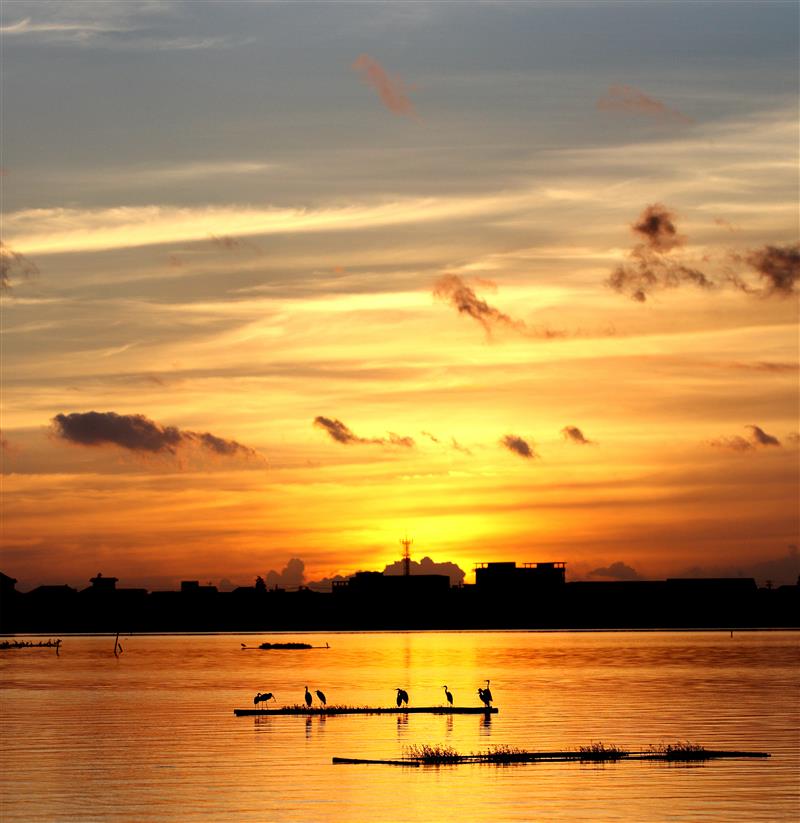
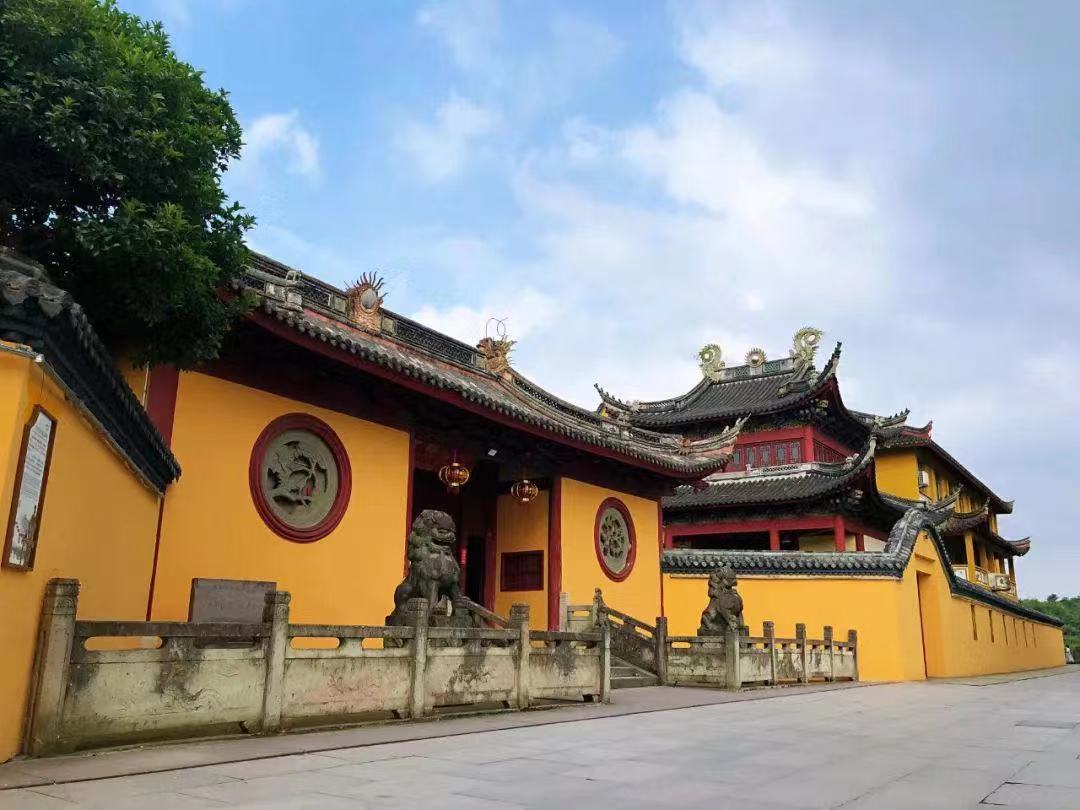


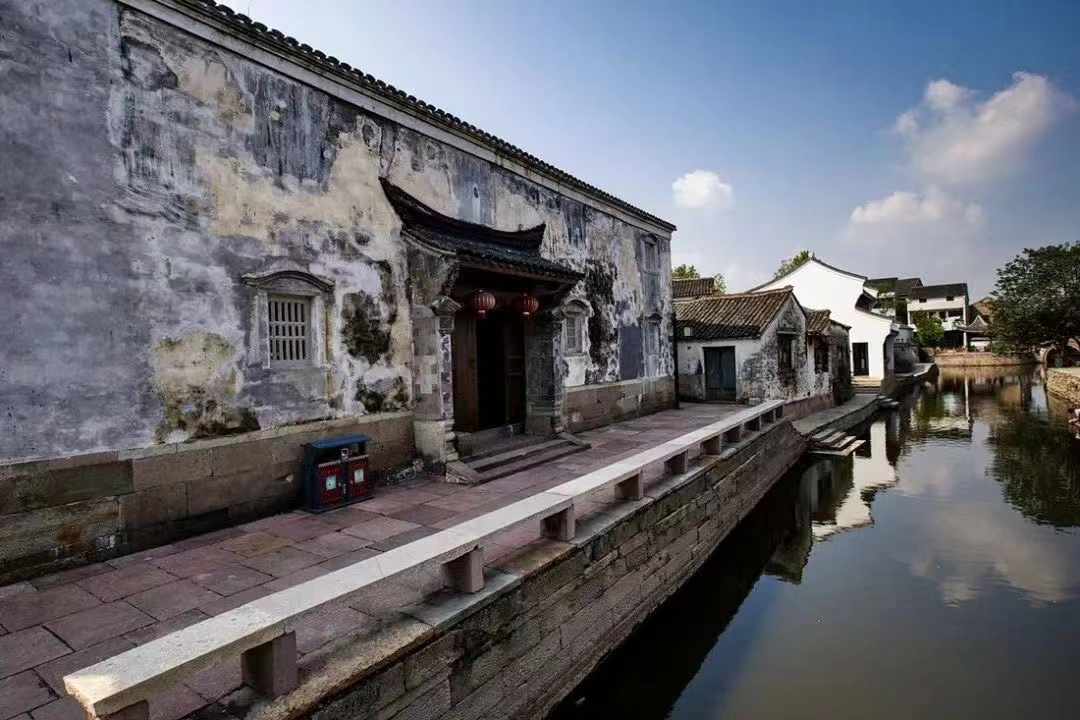

目前景区由五磊讲寺、莲花园、藏云溪三景点组成。慈溪五磊山风景区位于慈溪市观海卫镇,为鸣鹤——上林湖省级风景名胜区之主要景区。五磊山从宋代起就是我省著名的风景名胜区。“句章五磊,名山海上,美山古寺,丹崖戛汉,碧嶂凌云”就是对五磊山的概述。
五磊山景区主要有三大部分组成:
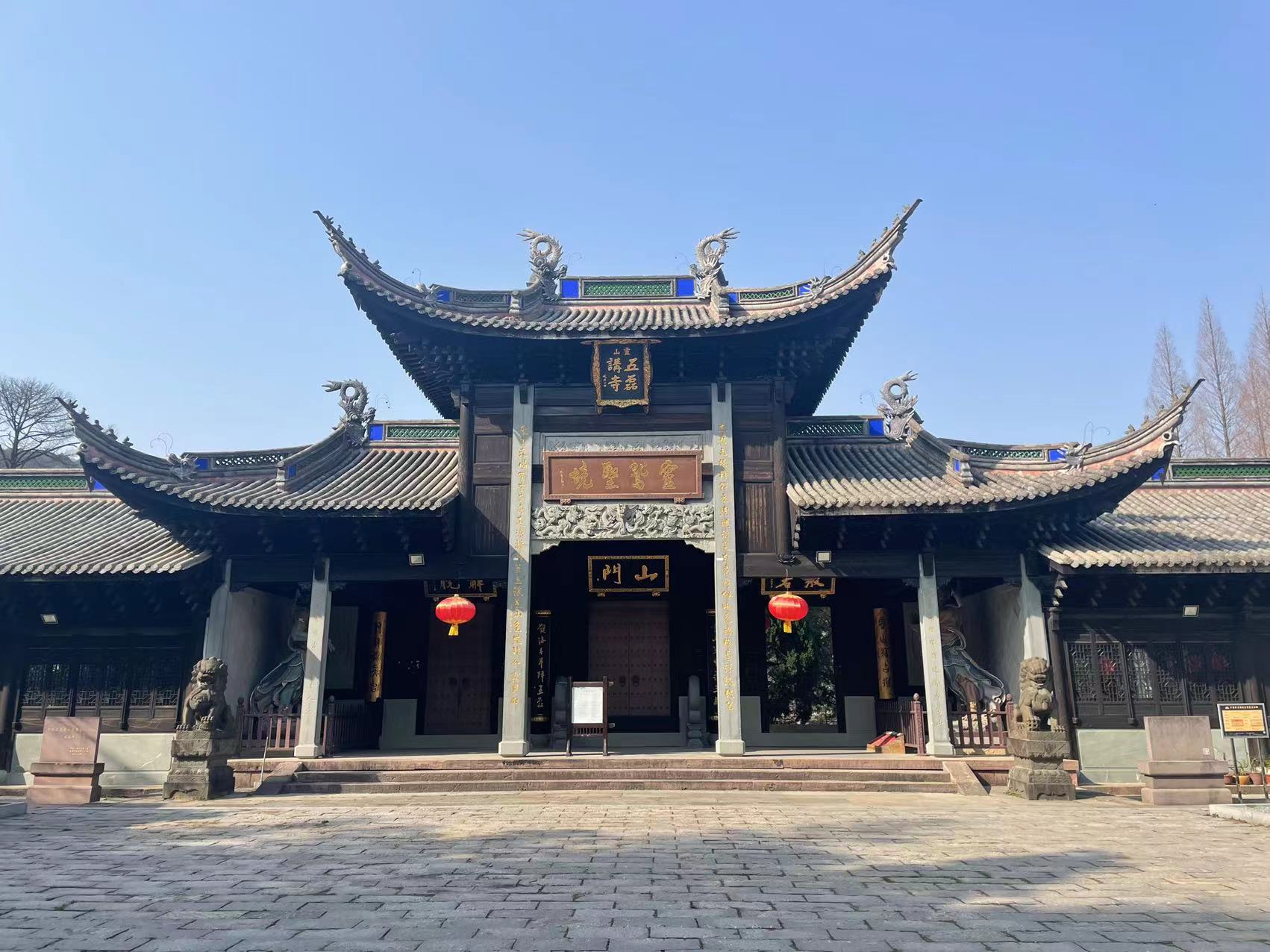
(1)、五磊讲寺:为浙东最古老的寺院之一。相传三国东吴赤乌年间,印度高僧那罗延于此结庐苦修,孙权母亲吴国太感其虔诚,出资修建了五磊讲寺,距今已有1800年。
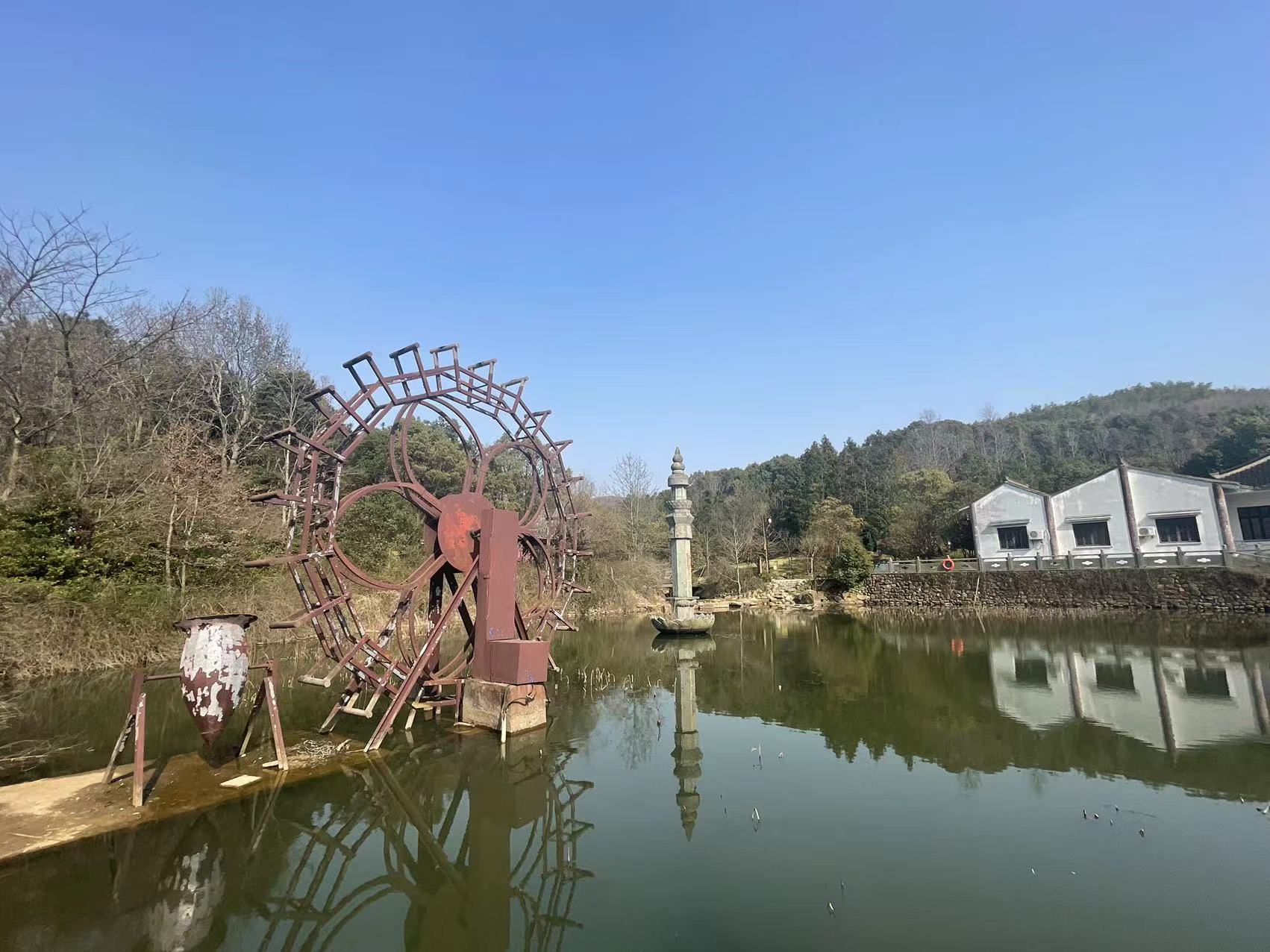
(2)、莲花园:占地2.5平方公里,莲花是很好的观赏植物,也是最常用佛教的象征,故这里取名为莲花园。莲花出淤泥而不染,濯清涟而不妖,莲花亦是佛教的象征,莲花园集佛教文化和园林胜景于一体,是游客观莲花,品清茶好去处。
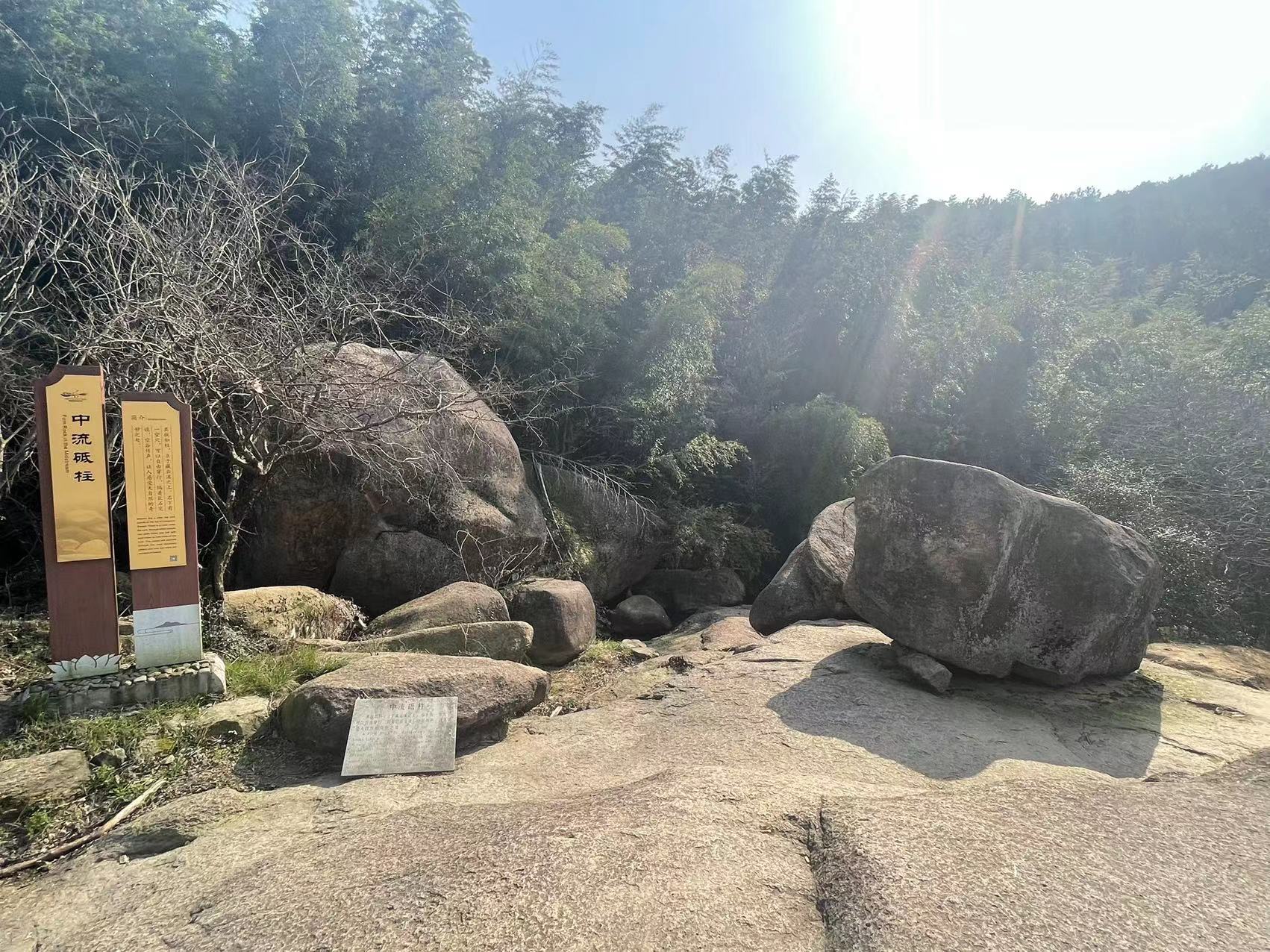
(3)、藏云溪:“五磊润名寺,山暇藏云溪,身处仙境中,不觉三四里”藏云溪是孙权为母吴国太上五磊讲寺听经而寻找的一条捷径。藏云溪全长1.4公里,幽谷、清溪、怪石、奇树是其四大特色。
我们的杨梅园就在藏云溪,也是在五磊山脚下,游客下车即可到杨梅园摘杨梅、品杨梅。目前藏云溪杨梅园占地面积50亩,共有杨梅树150棵,可同时容纳上百人采摘。游客在采摘杨梅的同时又可以感受藏云溪的幽谷、清溪的美好环境。也可拾级而上去领略莲花园的清幽、雅致以及五磊寺的宏伟肃穆。
五磊山景区以古刹、碧湖、幽谷、清溪而著称,是当今身处喧嚣都市的您淡泊名利,怡心养身之佳处。
Currently, the scenic area consists of three attractions: Wulei Temple, Lianhua Garden, and Zangyunxi. Located in Guanhaiwei Town, Cixi City, Wulei Mountain Scenic Area is the main area of the Minghe-Shanglin Lake Provincial Scenic Area. Since the Song Dynasty, Wulei Mountain has been a famous scenic spot in our province. "Juzhang Wulei, famous mountain in the sea, beautiful ancient temples, red cliffs and green mountains" is a description of Wulei Mountain.
Wulei Mountain Scenic Area is mainly composed of three parts:
(1) Wulei Temple is one of the oldest temples in eastern Zhejiang. Legend has it that during the Red Crow period of the Eastern Wu Dynasty, Indian monk Naroya chose to live and practice here. Sun Quan's mother, Empress Wu of the State of Wu, was impressed by his piety and funded the construction of Wulei Temple, which is 1800 years old.
(2) Lianhua Garden covers an area of 2.5 square kilometers. Lotus flower is a good ornamental plant and is also the most commonly used symbol in Buddhism, so it is named Lianhua Garden. The lotus rises unsullied from a filthy pond and remains pure and flawless, making it a symbol of Buddhism. Lianhua Garden integrates Buddhist culture and garden scenery, it is a great place for tourists to admire lotus flowers and drink tea.
(3) Zangyunxi: "Wulei famous temple, hidden Zangyunxi in the mountain, within this paradise, one may walk three or four miles without knowing it." Zangyunxi is a shortcut that Sun Quan took to find Wulei Temple to listen to the sutras with his mother, Empress Wu. Zangyunxi is 1.4 kilometers long and its four characteristics are its secluded valley, clear stream, strange rocks, and unusual trees.
Our Yangmei Garden is also located in Zangyunxi at the foot of Wulei Mountain. Tourists can pick and taste Yangmei immediately after getting off the car. The current Zangyunxi Yangmei Garden covers an area of 50 acres and has a total of 150 Yangmei trees. It can accommodate hundreds of people to pick Yangmei at the same time. While picking Yangmei, tourists can also enjoy the beautiful environment of Zangyunxi's secluded valley and clear stream. Visitors can also climb up and enjoy the tranquility and elegance of Lianhua Garden and the grand solemnity of Wulei Temple.
Wulei Mountain Scenic Area is famous for its ancient temples, blue lakes, secluded valleys, and clear streams. It is a great place for you to stay away from fame and fortune, and to nourish your body and mind in today's bustling city.
五磊山
五磊山傍湖望海,松竹茂密,岩壑幽深,素有小桃园之称,从宋代起就是我省著名的风景名胜区。 “句章五磊,名山海上,美山古寺,丹崖戛汉,碧嶂凌云”就是对五磊山的概述。 五磊山主峰海拔424米,有内五峰外五峰组成,古有“五峰磊磊落相比,如聚米所成”之喻,最高峰是望海峰。 五峰团团相联,形似一朵怒放的莲花,坐北朝南的五磊讲寺建筑群,黄墙金瓦,恰似一丛金色莲蕊。 2000多年前这里还是一片怒潮汹涌,惊涛拍岸的汪洋大海,当代历史地理学家陈桥驿先生曾赋诗说“翠屏连绵五磊高,两千年来听海涛,如今沧海成桑田,平原沃野逞风骚。” 写出了天人合一的力量所造成的沧海桑田的奇迹。
呈现在眼前的是2004年6月建成并对游客开放的莲花园,占地2.5平方公里,莲花是很好的观赏植物,也是最常用佛教的象征,故这里取名为莲花园。
五磊讲寺是浙东最古老的寺院之一,距今已有1700多年的历史。 始建于三国吴赤乌年间,到唐文德年间(公元888年)寺院初具规模,命名为“灵山禅院”,宋大中祥符年间真宗敕赐“五磊普济”寺额,后由云门宗六祖智环禅师任主持,成为浙东名刹。 清顺治年间天童寺住持弘觉祖师至五磊寺任住持,于是四方僧众闻名而集,“千僧过堂”成为临济宗胜地。 清宣统三年,住持炳瑞请天台山谛闲大师住持讲席,随后寺院改名为“灵山讲寺”。 后来根据地理所处位置再次改名为“五磊讲寺”。 抗战期间五磊寺是中共浙东区党委和浙东游击队在三北活动的重要场所,寺内僧众为革命斗争提供不少方便。 文革期间寺院受毁,1985年5月经政府批准修复开放。
莲花池是整个莲花园的中心,池面积1400平方米,池中心的是石经幢,以石刻莲花为基座,建此经幢的目的在佛教中的意思是超度死者,造福生者。 民间俗语说脚踏莲花富贵如意一生,当你跨过池中的七步莲花石刻它将会给你带来幸运,而七步莲花在佛教中还有种说法,据说佛祖释迦牟尼出生后向前向后左右各走了七步,步步生莲,这寓意了吉祥如意。
欢迎来到风景秀丽的五磊山风景区,五磊山风景区分为藏云溪景区和莲花园景区,藏云溪景区全长1.5公里,以清溪、怪石、奇树、幽谷为四大特色,是一条原生态型的自然风景区。 藏云溪的来历还有一个美丽的传说:当年孙权为方便母亲吴国太上山听经,特派一文臣寻找一条上山的捷径。 此人为不辱使命,围着五磊山转了三天,一日,他来到五磊山西北部里杜湖右岸,发现一清澈溪水,便顺溪水而上,甚是惊讶,一路上翠竹连绵,溪谷幽深、云腾雾绕、美仑美奂、真乃人间仙境。 登山三四里,大约一时辰,便到了五磊寺门口,此人甚是高兴,选定此最佳路线,于是上书孙权并诗曰:“五磊润名寺,山暇藏云溪,身处仙境中,不觉三四里。” 这便是藏云溪的来历。
自驾车:
1、上海方向—过杭州湾跨海大桥—沈海高速—掌起下高速往慈溪方向—师宓公路(沈师桥大酒店左转)--沿着景区指示牌到达景区
2、杭州方向—杭甬高速—上虞下高速沿329国道向宁波方向—观城五里道口往鸣鹤方向—沿景区指示牌到达景区
3、宁波方向—沿329国道往慈溪方向--师宓公路(沈师桥大酒店左转)--沿着景区指示牌到达景区
官方网站:www.nbwls.com
联系电话: 0574-63670756 0574-63671996
传真:0574-63082555
Wulei Mountain
Nestled by a lake and overlooking the sea, the Wulei Mountain boasts lush forests of pines and bamboo, deep valleys, and gorges, earning it the nickname “Little Peach Garden”. It has been a famous scenic spot in Zhejiang province since the Song Dynasty. The beauty of Wulei Mountain can be perfectly captured by the ancient poem, “Wulei Juzhang Poem Style, famous mountain by the sea, adorned with ancient temples, red cliffs that guard the pass, and green peaks that pierce the clouds”. The main peak of Wulei Mountain stands at an elevation of 424 meters, composed of five internal peaks and five external peaks. In ancient times, it was compared to “piled-up rice” due to the five peaks arranged in a cluster. The highest peak is Wanghai, which offers a stunning sea view. The five peaks are linked like a blooming lotus flower, with the Wulei Temple complex situated north and facing south, characterized by yellow walls and golden tiles, resembling a cluster of golden lotus petals. Over 2,000 years ago, this area was once a turbulent sea with roaring waves. Chen Qiaoyi, a contemporary historian and geographer, wrote a poem that says, “The lush greenery rises with Wulei Mountain towering above. For two millennia, it has been listening to the murmurs of the sea. Today, the vast sea has transformed into fertile fields where the plain exudes its beauty.” This reflects the miraculous transformation of the land and sea brought about by the power of nature and human efforts.
Today, visitors can explore the Lotus Garden, a 2.5-square-kilometer area that was opened to the public in June 2004. Inspired by the beauty and symbolism of the lotus flower in Buddhism, this garden provides a breathtaking sight.
Wulei Temple, one of the oldest temples in eastern Zhejiang Province, has more than 1,700 years of history. It was established during the Three Kingdoms period, and by the Tang Dynasty (888 AD), the temple had begun to take shape and was named “Lingshan Temple”. During the Xiangfu Period of the Song Dynasty, Emperor Zhenzong bestowed the name “Wulei Puji Temple” on the temple. Later, it became a renowned temple in eastern Zhejiang Province under the leadership of Master Zhihuan, the sixth patriarch of the Yunmen school of Buddhism. During the reign of Emperor Shunzhi in the Qing Dynasty, Master Hongjue, the abbot of the Tiantong Temple, became the abbot of the Wulei Temple, attracting many monks from the region to gather and practice. The temple gained fame and became a renowned center of the Linji school of Buddhism, with “a thousand monks passing through the halls”. In the third year of Emperor Xuantong’s reign during the Qing Dynasty, the abbot of Wulei Temple, Bingrui, invited the abbot of Taizhi Temple, Master Daxian, to teach and renamed the temple “Lingshan Temple”. Later, the temple was renamed “Wulei Temple” based on its location. During the period of resistance against Japanese aggression, the Wulei Temple was an important location for the CPC Committee of the Eastern Zhejiang and the Eastern Zhejiang Guerrilla Forces to carry out activities in the Sanbei region. The temple’s monks provided considerable support for the revolutionary struggle. During the Cultural Revolution(1966-1976), the temple suffered damage, but in May 1985, it was restored and reopened with the approval of the Chinese government.
The Lotus Pond is the centerpiece of the entire Lotus Garden, covering an area of 1,400 square meters. At the center of the pond is a stone pagoda with a lotus flower carved at its base. In Buddhist culture, the purpose of building such a pagoda is to guide the deceased to a better afterlife and bring blessings to the living. According to local folklore, stepping on the seven-step lotus stone carving in the middle of the pond will bring you good luck and fortune in your life. The seven-step lotus also has significance in Buddhism, as it is said that after the birth of the Buddha, Siddhartha Gautama, he walked seven steps in each of the four directions, with lotus flowers blooming at each step, symbolizing good fortune and auspiciousness.
Welcome to the picturesque Wulei Mountain Scenic Area. The scenic area is divided into Cangyun Stream and Lotus Garden. The 1.5-kilometer-long Cangyun Stream is characterized by its clear streams, peculiar rocks, unique trees, and secluded valleys, making it a natural and pristine attraction. There is a beautiful legend about the origin of the Cangyun Stream. For the convenience of Sun Quan’s mother, Lady Wu, to listen to sutras on the mountain, a court official was sent to find a shortcut to climb the mountain. He circled around the Wulei Mountain for three days until he came to the right bank of Duhu Lake in the northwest of the Wulei Mountain. There, he discovered a clear stream and followed it upstream in surprise. Along the way, he was amazed by the continuous emerald bamboo, the deep and secluded valleys, the swirling clouds and mist, and the picturesque scenery, as if he had entered a fairyland on earth. After climbing for about three or four li (approximately 1.5 to 2 kilometers) for an hour or so, he arrived at the entrance of the Wulei Temple. Delighted with the discovery of this best route, he wrote a poem to Sun Quan, “the Wulei Temple has a renowned name, and Cangyun Stream flows in the mountain leisurely. Being in such a fairyland, I don’t realize that it’s only three or four li away.” This is the story of how Cangyun Stream got its name.
Directions for Self-driving:
1. From Shanghai: Cross Hangzhou Bay Bridge, take Shenhai Expressway, exit at Zhangqi and take G325 towards Cixi, turn left at Shimi Road (on the left side of Shen Shi Qiao Hotel), follow the signs to the scenic area.
2. From Hangzhou: Take Hangyong Expressway and then exit at Shangyu, take 329 National Road toward Ningbo, turn right at Guancheng Wulidao Intersection towards Minghe direction, follow the signs to the scenic area.
3. From Ningbo: Take 329 National Road towards Cixi, turn left at Shimi Road (on the left side of Shen Shi Qiao Hotel), follow the signs to the scenic area.
Website:www.nbwls.com
Tel: 0574-63670756 0574-63671996
Fax:0574-63082555


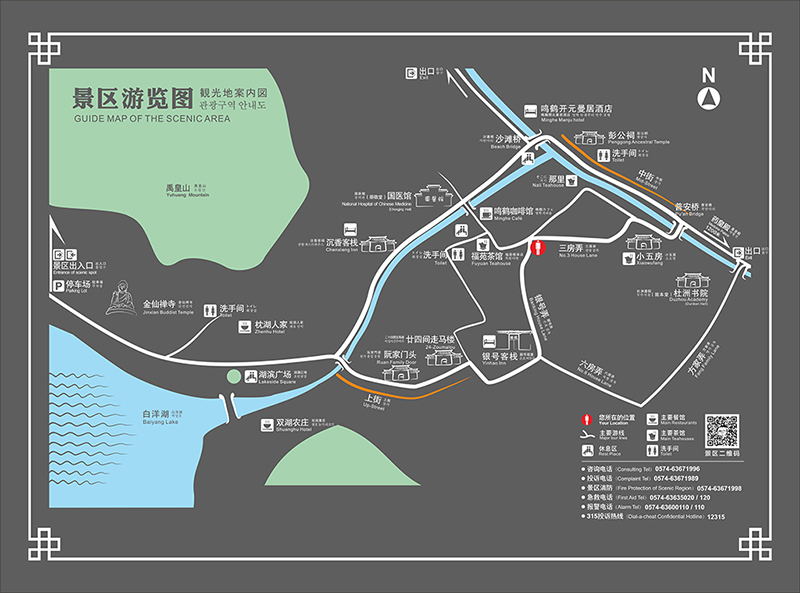
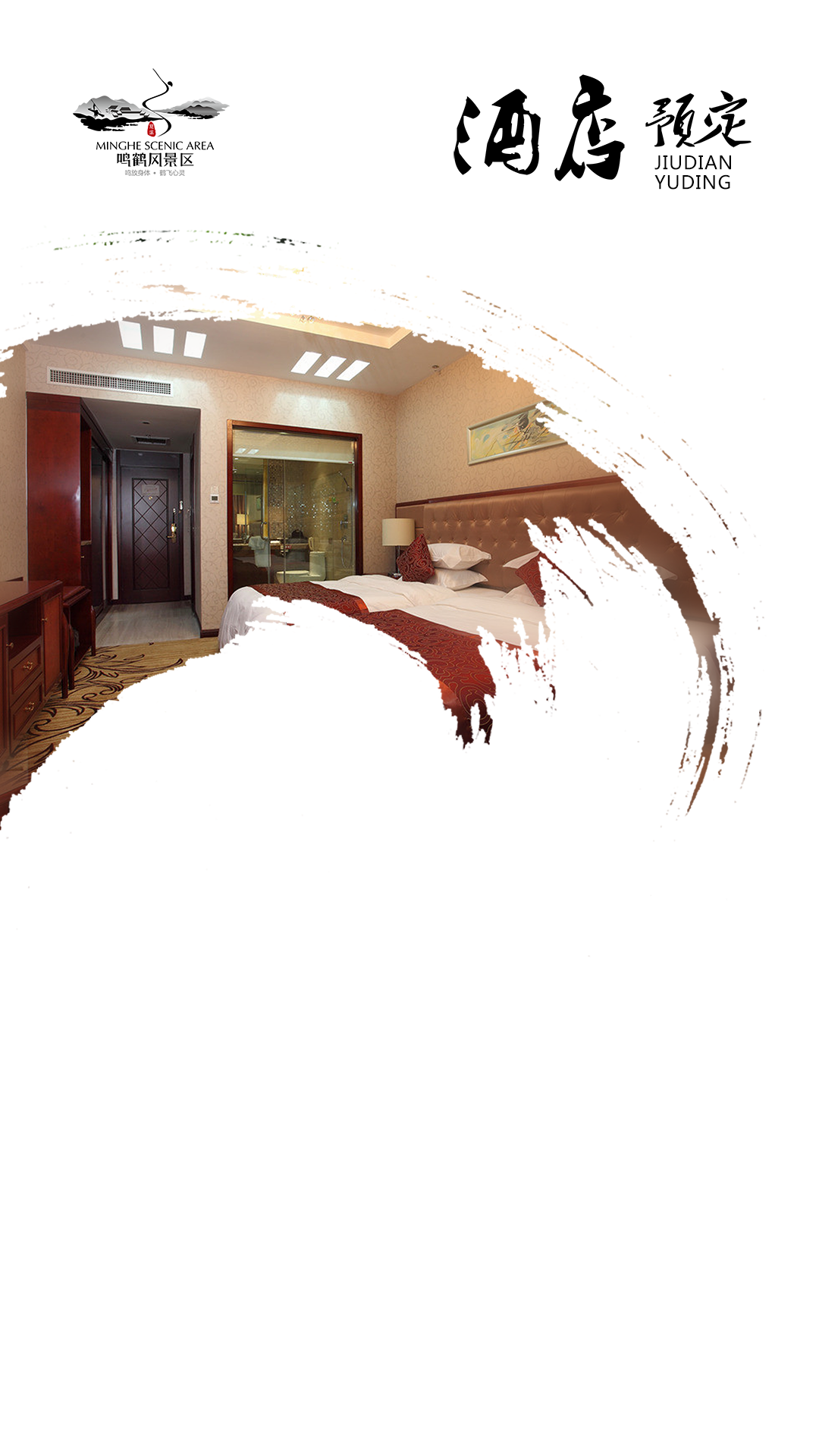
 沉香客栈
沉香客栈
Chenxiang Inn.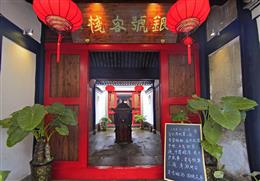 银号客栈
银号客栈
Silver Mansion Inn.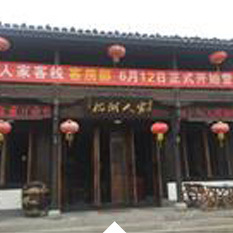 枕湖人家
枕湖人家
Zhen Hu Inn.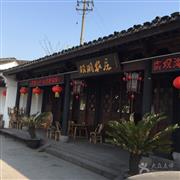 双湖农庄
双湖农庄
Shuanghu Restaurant
-
沉香客栈
Chenxiang Inn. -
银号客栈
Silver Mansion Inn. 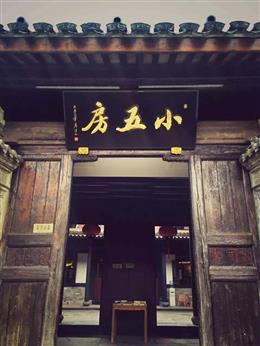 小五房
小五房
Little 5-room-
枕湖人家
Zhen Hu Inn.